


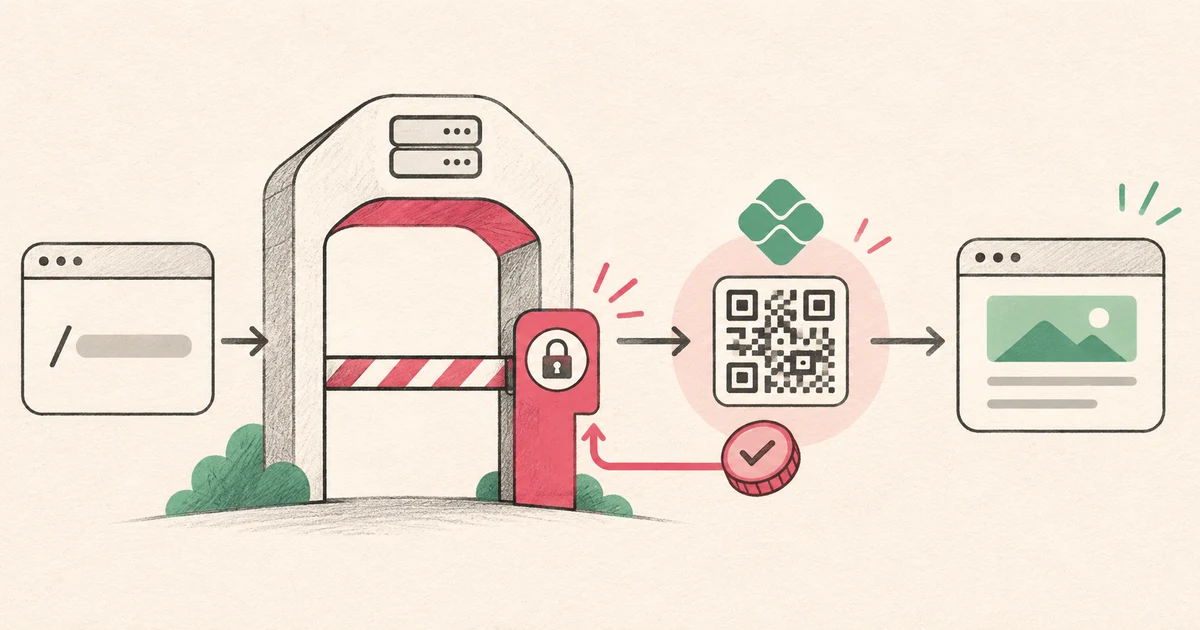
Monetizing HTTP resources with x402: how to charge for pages, APIs and agent tools
Learn how to design an x402-compatible Monetization Gateway with rules, verification, protected origins, variable pricing and reconciliation.

Author
Leading AZPay’s relaunch
Gustavo Sanchez Palencia, also referred to as Gustavo Palencia, leads AZPay’s relaunch with the support of AI agents. That is the relationship described on the About page.
On his own site he presents himself as the founder of AZPay, AIDAX and Yebo, companies he says were sold to Layer2. He describes AZPay as a payment product with a transparent multi-processor checkout, cost routing, payment rules and sales recovery. That path started at AZClick, the digital agency and incubator he dates to 2012.
Since October 2025 he has been CTO at Rentcars. He is the creator of Trydak and builds MCP tools, including one for Google Search Console and one for WordPress. He also sits on the board of Hemp Vegan as country manager in Brazil and on the executive board of Linha Canábica. Earlier, his site lists him as VP of Technology at Remessa Online, CTO at ForSign, and a board member at Sthorm and 8D Hubify.
Learn how to design an x402-compatible Monetization Gateway with rules, verification, protected origins, variable pricing and reconciliation.

Use Pix for B2B receivables in Brazil: connect invoices, due-date charges and confirmed payments, and handle partial settlement without losing the open balance.
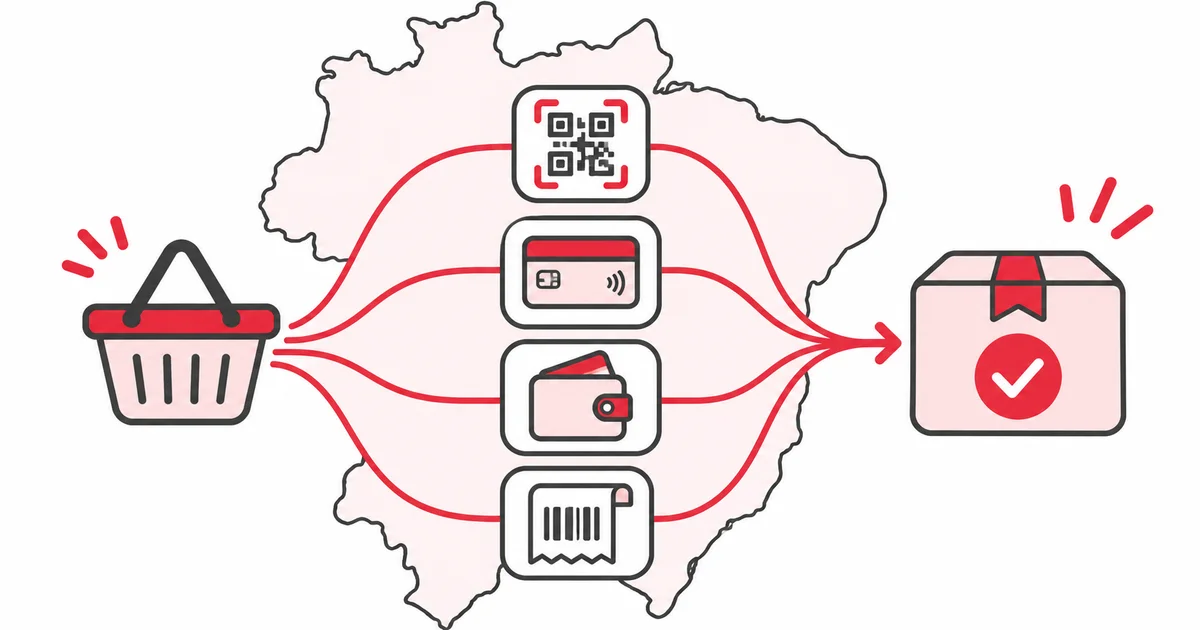
Understand Pix, Mercado Pago, PagBank/PagSeguro and PicPay, and distinguish payment methods, wallets and providers when planning for Brazil.
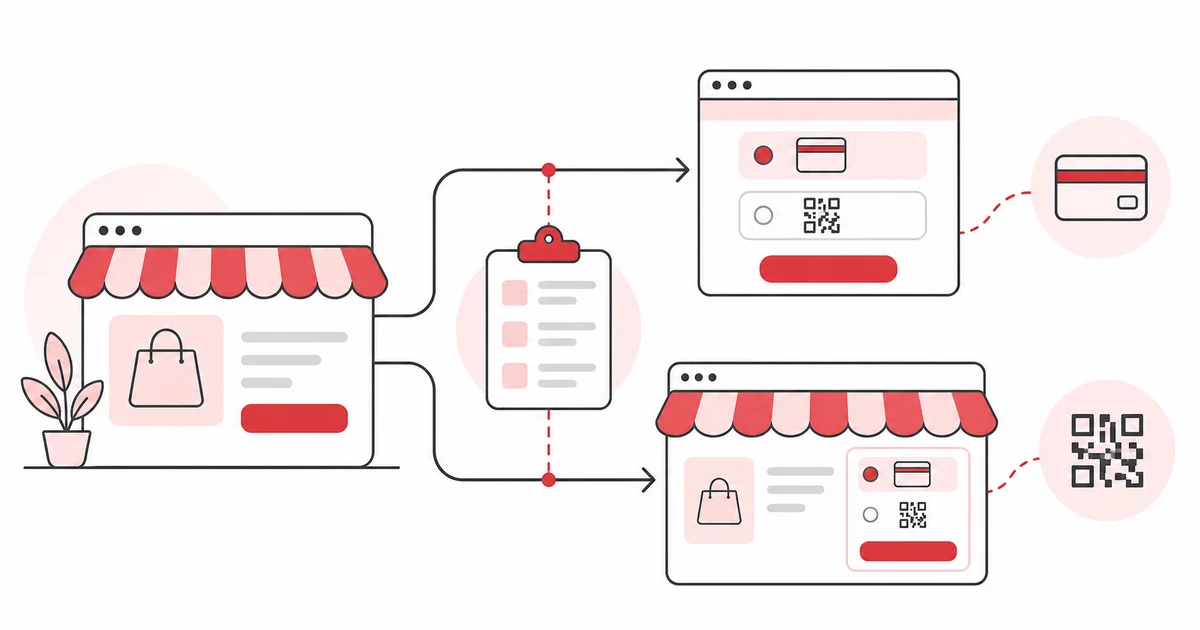
Understand Mercado Pago in Brazil, how it differs from Pix, and what to evaluate about checkout, confirmation and payment operations.
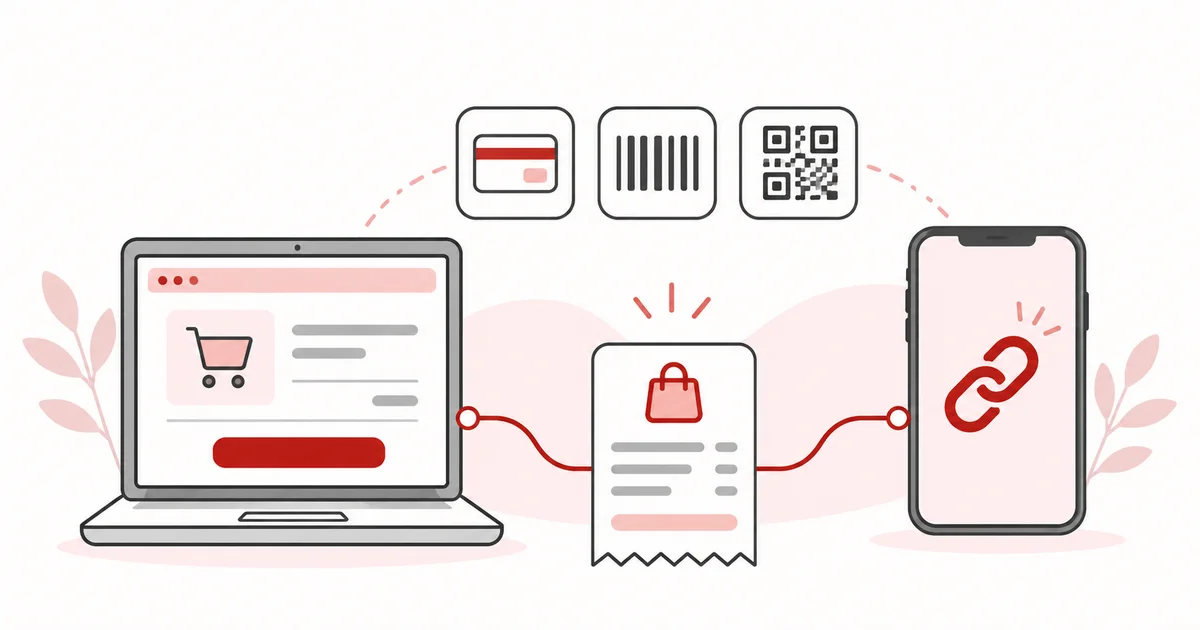
Explore PagBank Checkout and Payment Links, Pix and boleto options, and the documentation, confirmation and operational checks that matter.
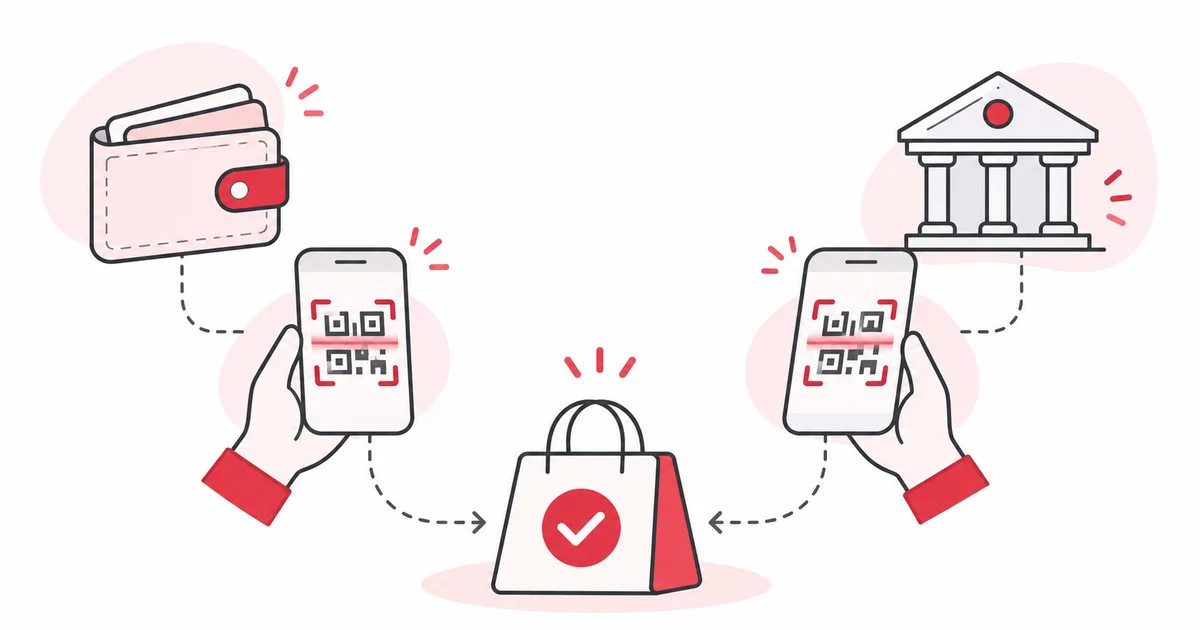
Distinguish Wallet PicPay, Pix and cards in E-commerce Checkout, with practical checks for confirmation, customer experience and operations.
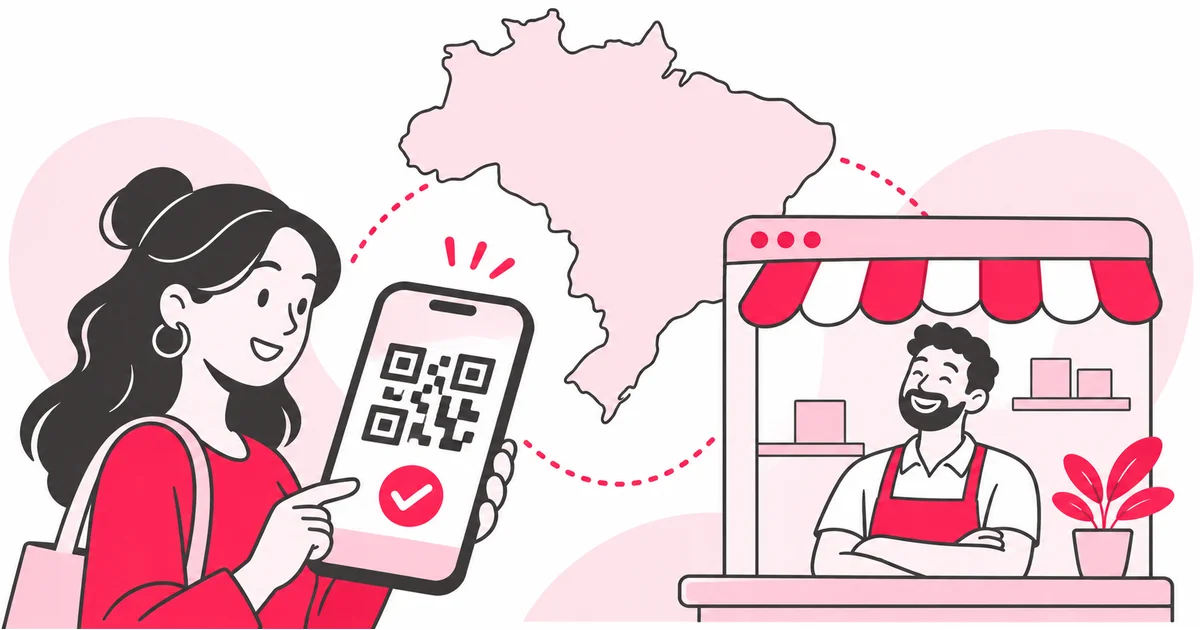
Understand Pix in Brazil: paying and receiving, keys, QR codes, confirmation, fees, security, and requirements for international businesses.
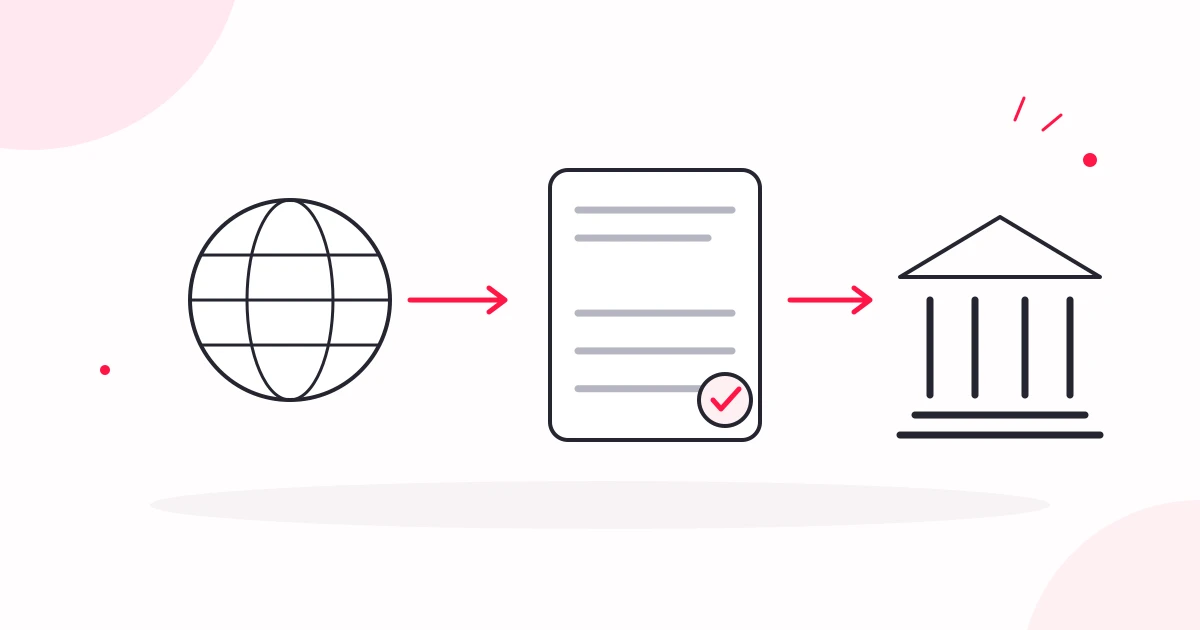
Check eligibility, the contracting entity, collection in Brazil and international settlement before integrating Pix for your business.
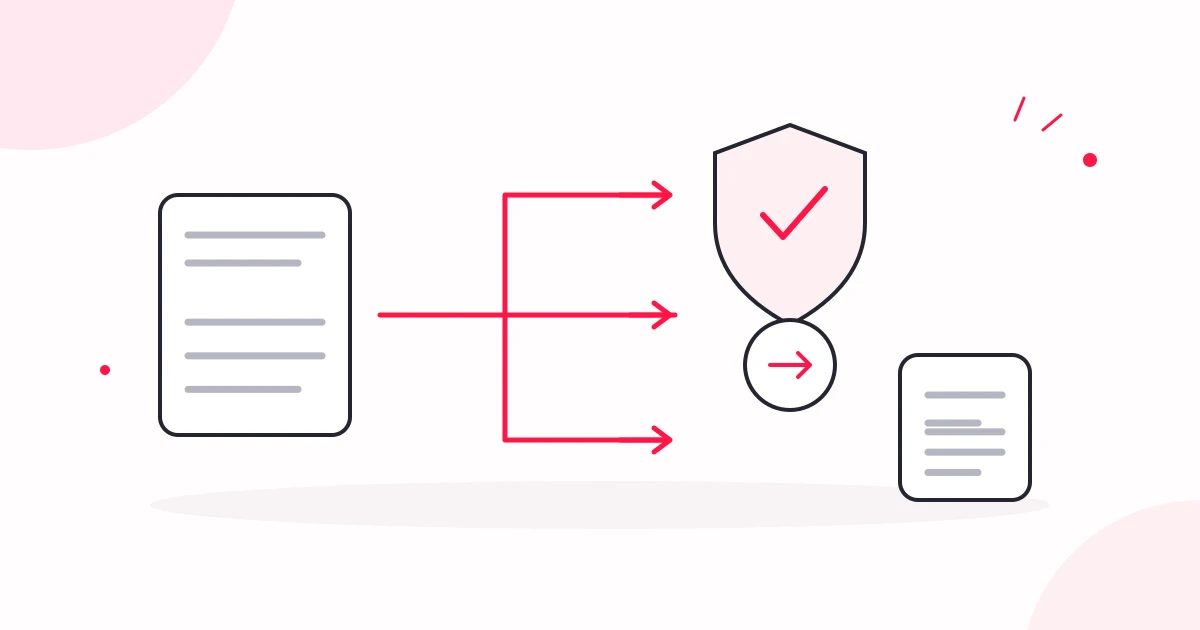
Understand commercial Pix refunds, MED and card chargebacks, and organize support to avoid refunding the same payment twice.
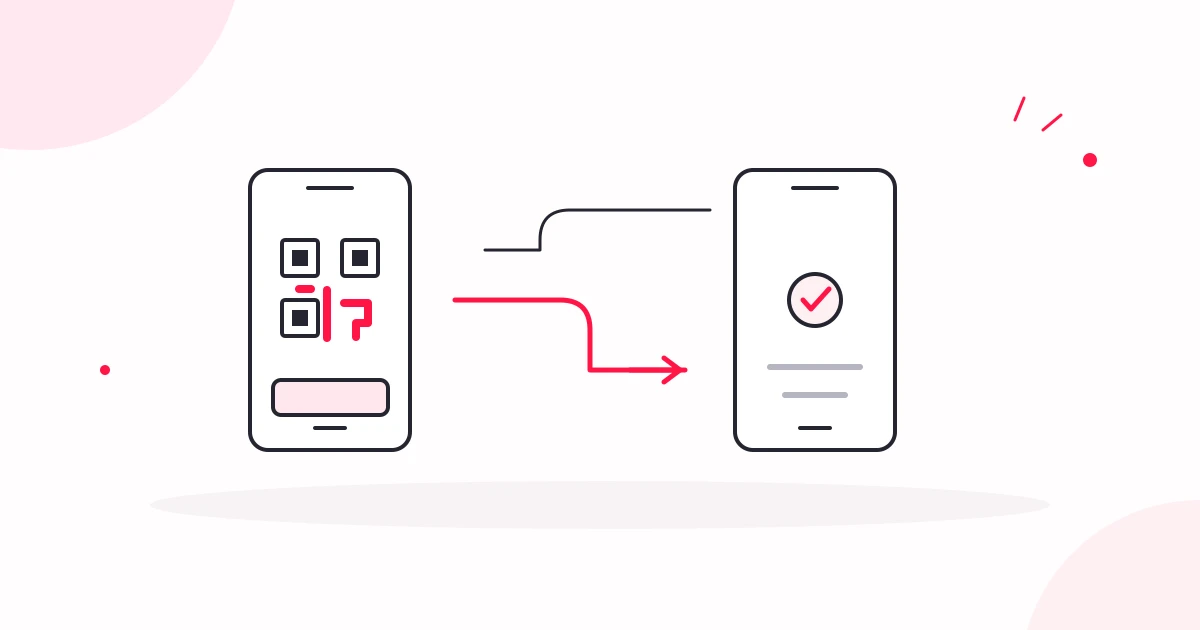
Design mobile Pix checkout with Copy and Paste, bank-app return, server confirmation, expiration handling and order recovery.
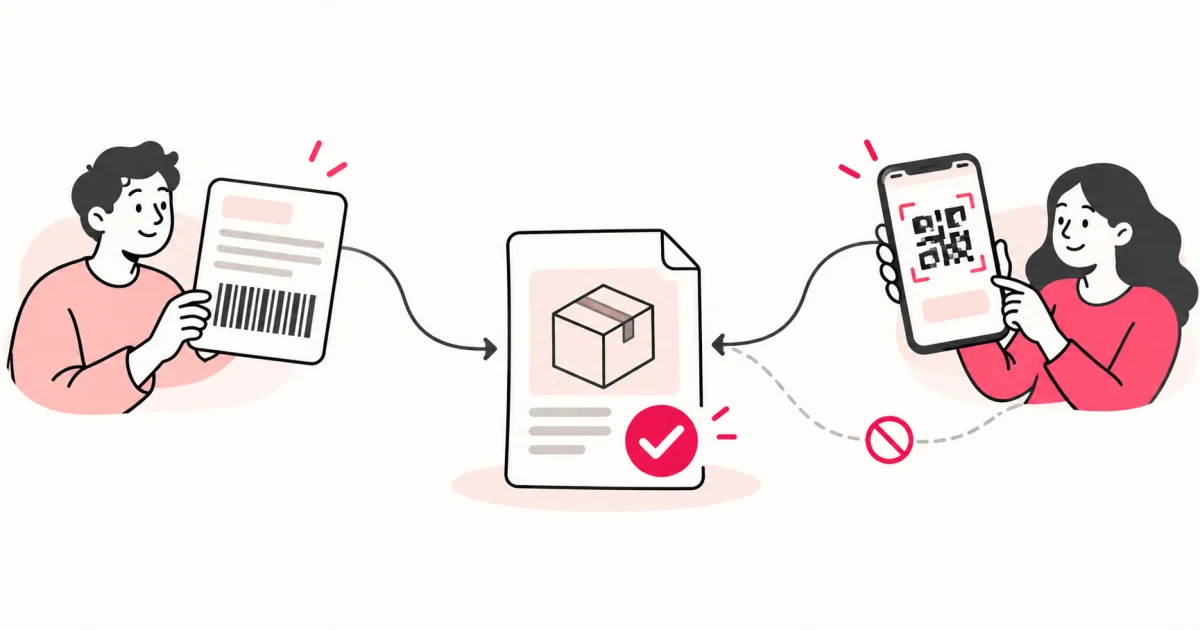
Learn how to link boleto and Pix to one obligation, confirm payments, and handle cancellation, duplicate receipts, and refunds with traceability.
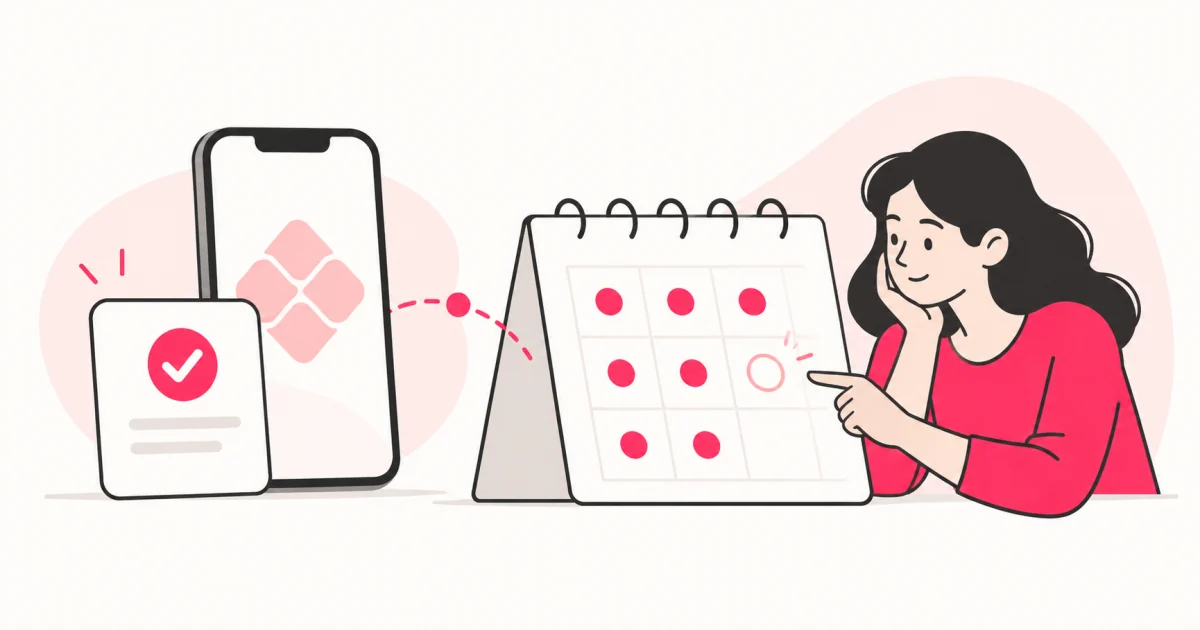
Understand authorization, cycles, failures, and cancellation in Pix Automático, and how to separate the commercial subscription from each payment’s states.

Compare PSPs using auditable formulas, costs per attempt, approval, and paid order, plus a fictional numerical example with sensitivity analysis.

Plan a PSP migration with a token inventory, group-based cutover, control of pending cycles, reconciliation, and rollback criteria.
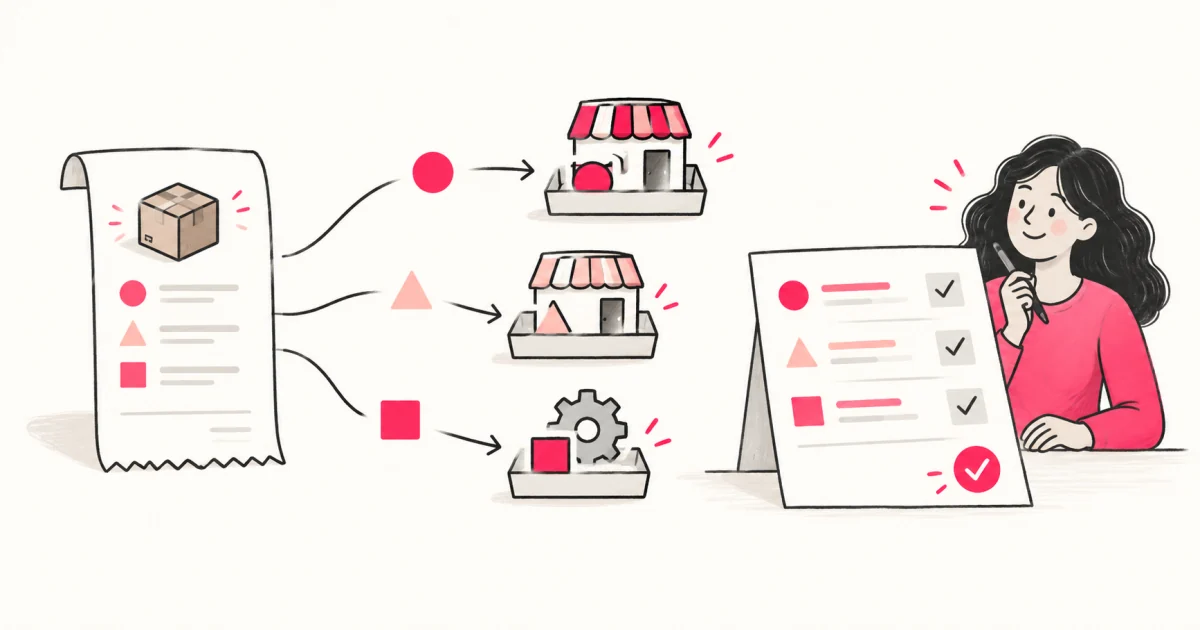
Learn to separate split allocation, capture, settlement, and payouts, with an example covering fees, partial refunds, and reconciliation by recipient.
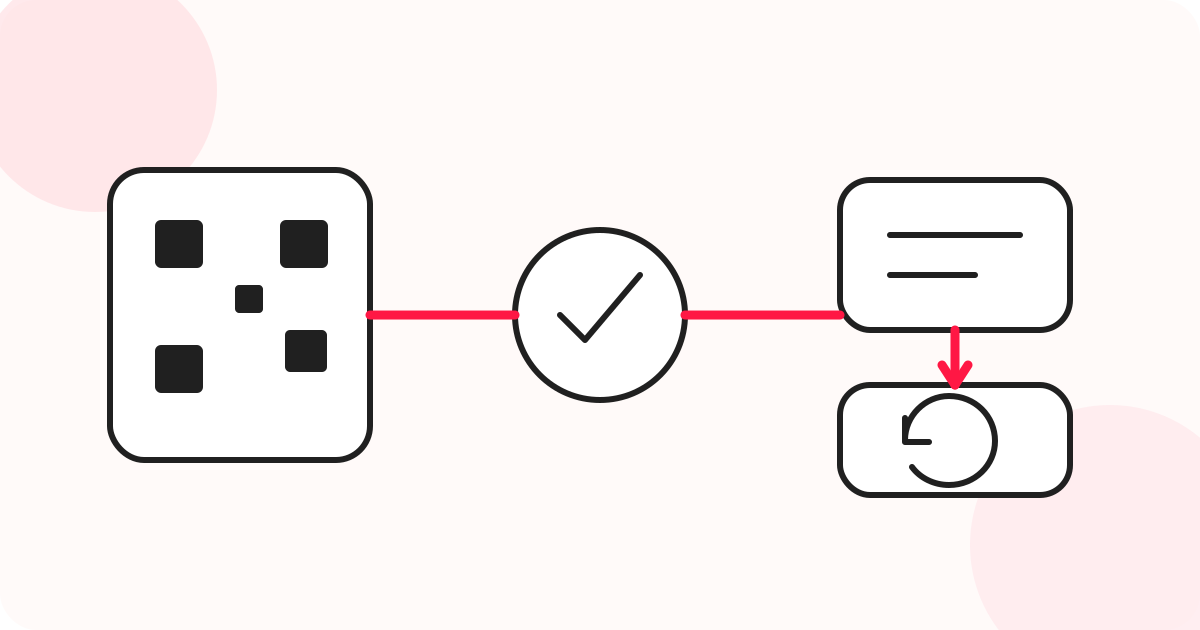
Understand Pix payment requests, QR codes, txid, EndToEndId, confirmation, refunds, webhooks, and reconciliation for a robust commercial integration.
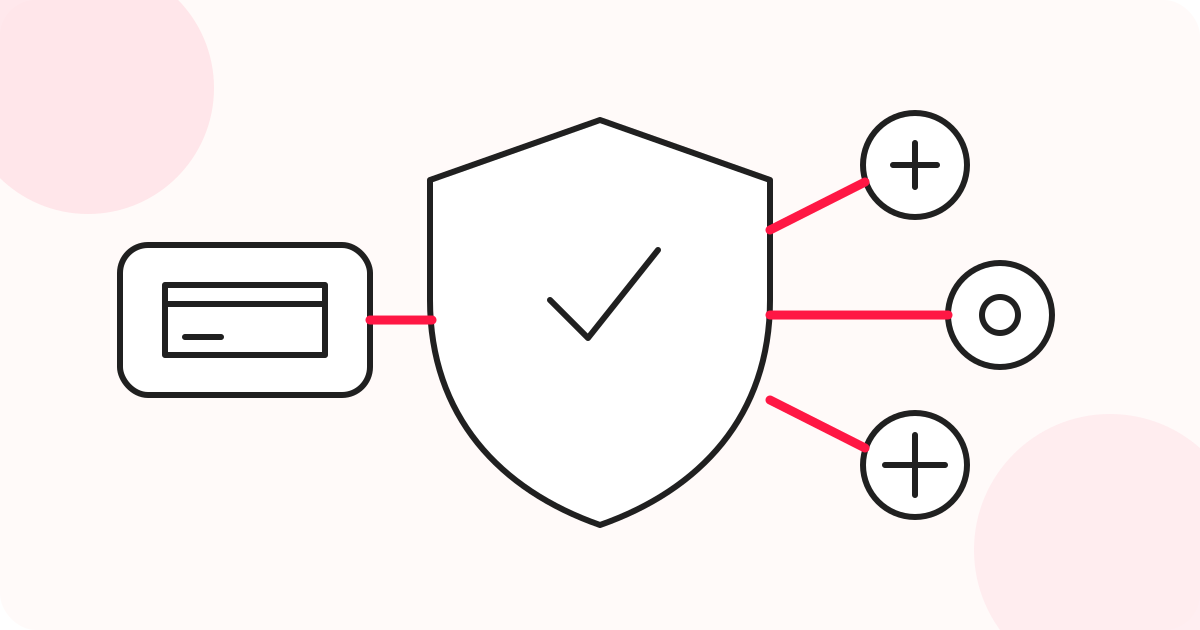
Understand how fraud prevention connects risk signals, 3DS, authorization, checkout, chargebacks, and experience to reduce losses without destroying conversion.
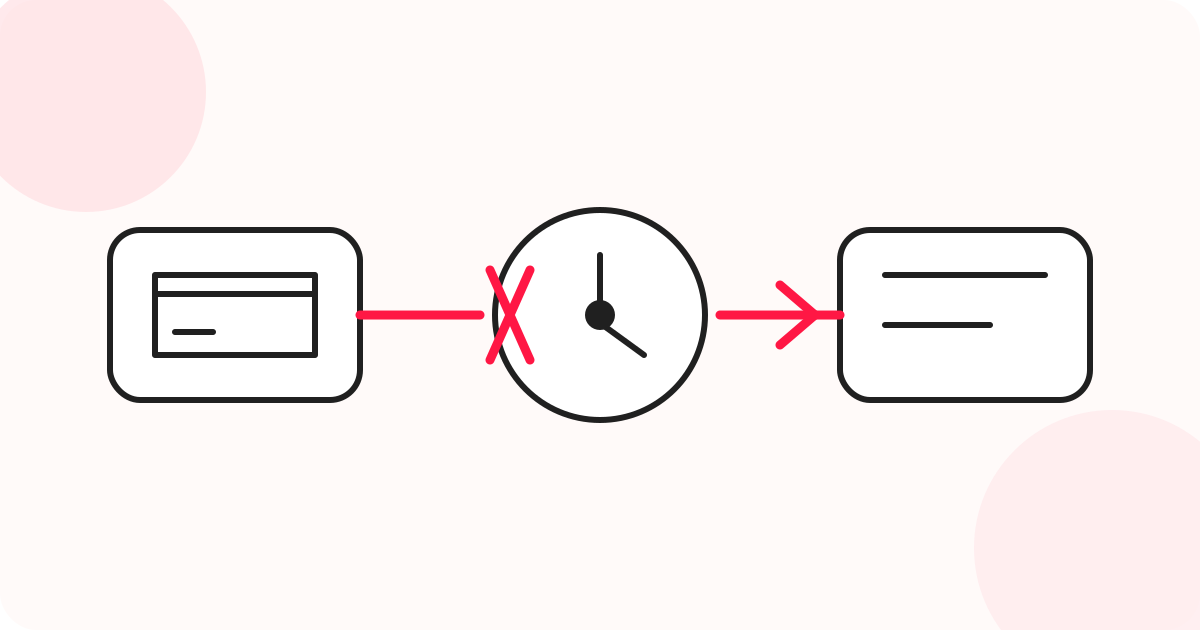
Learn to handle timeouts, unknown states, retries, idempotency, failover, and reconciliation without creating duplicate charges.
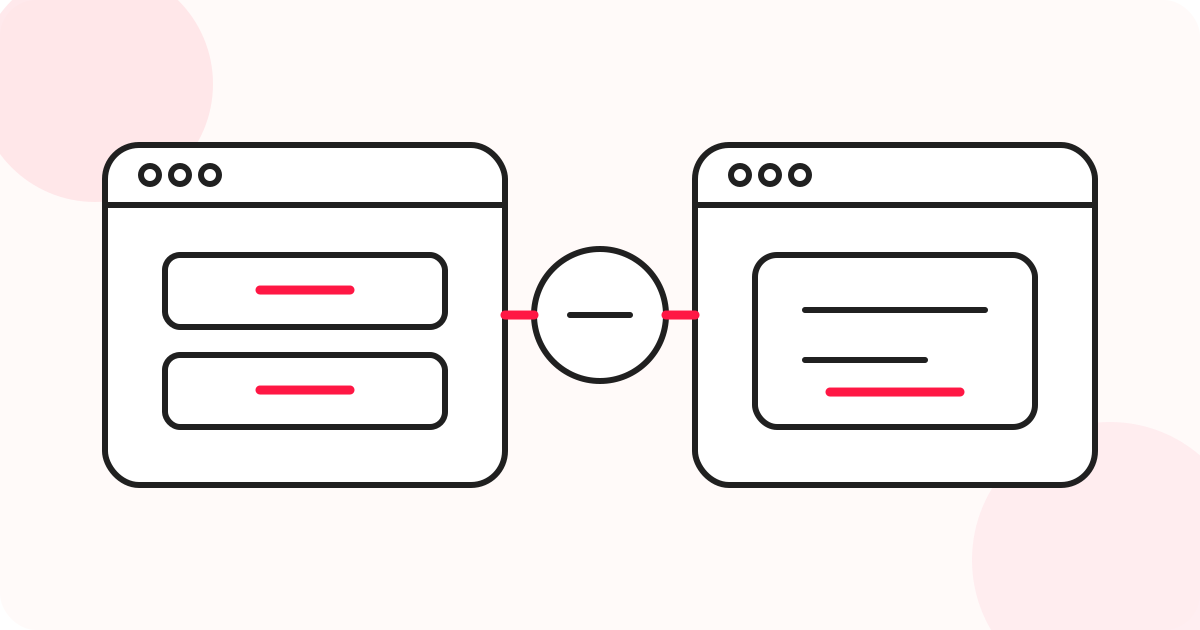
Compare embedded checkout, hosted pages, and hosted fields for UX control, PCI DSS, tokenization, multi-PSP, and implementation speed.
Understand chargebacks, dispute reasons, evidence, representment, prevention, reconciliation, and how risk continues after capture.
Understand ledgers, accounts, entries, double-entry bookkeeping, available balances, fees, refunds, payouts, and reconciliation in financial infrastructure.
Understand idempotency keys, deduplication, retries, concurrency, webhooks, and state machines to prevent duplicate financial effects.
Understand partial authorization, partial capture, multiple captures, authorization adjustments, and how to model amounts that change throughout a payment.
Understand how Zero Auth verifies a credential without a conventional charge and where it fits into tokenization, card-on-file, subscriptions, and payment architecture.
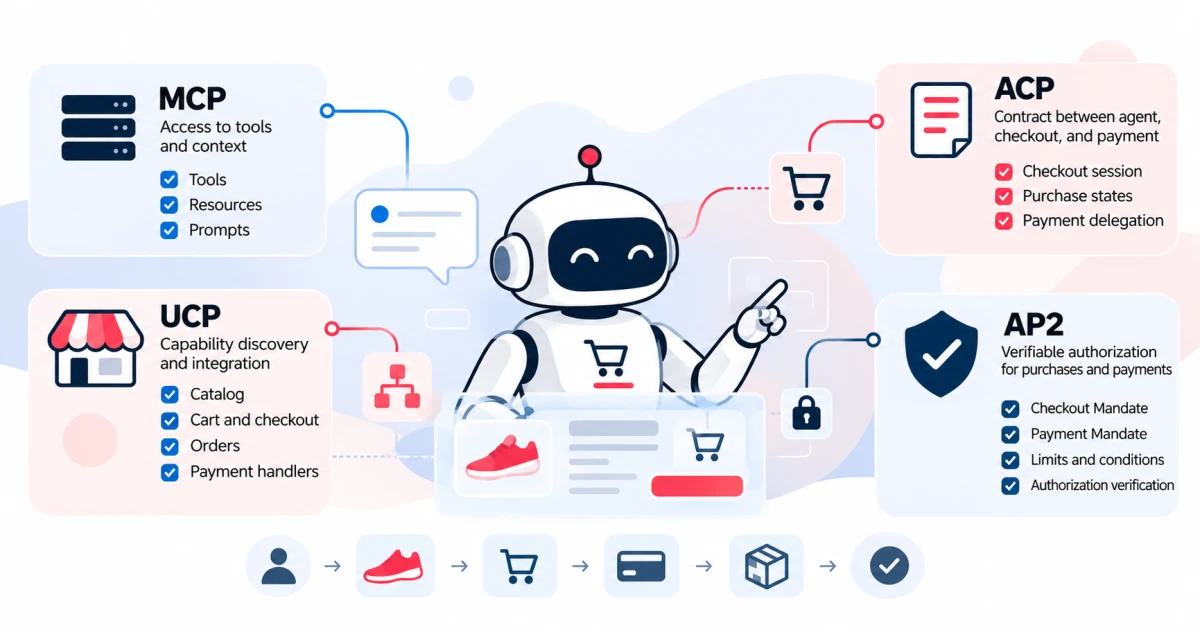
Compare MCP, ACP, UCP, and AP2 in agentic commerce: tools, checkout, capabilities, mandates, and the limits of payment authorization.
Learn how to investigate fraud false positives on Black Friday, identify improper blocks, and protect legitimate sales without increasing risk.
Learn how to reconcile orders, charges, captures, fees, refunds, and settlements to explain financial discrepancies with a traceable record.

Prepare payments for Black Friday with load, Pix, card, timeout, and webhook tests, plus recovery and reconciliation criteria.
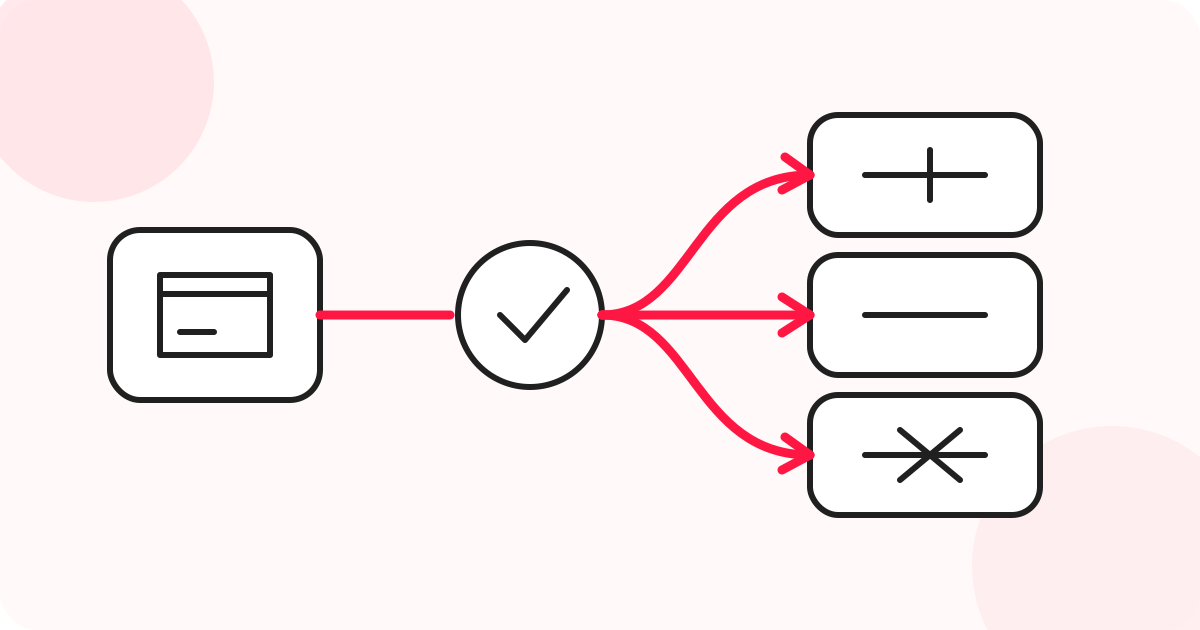
Understand soft declines, hard declines, and technical failures, and classify them to guide retries, authentication, routing, and customer experience.

Logs, metrics, traces, and states for investigating failures, latency, and performance in multi-PSP payment infrastructure.
Understand the differences between gateways, PSPs, acquirers, and sub-acquirers and where each role fits into payment architecture.

Learn to measure approval rates, separate declines from technical errors, and diagnose opportunities to optimize payments.
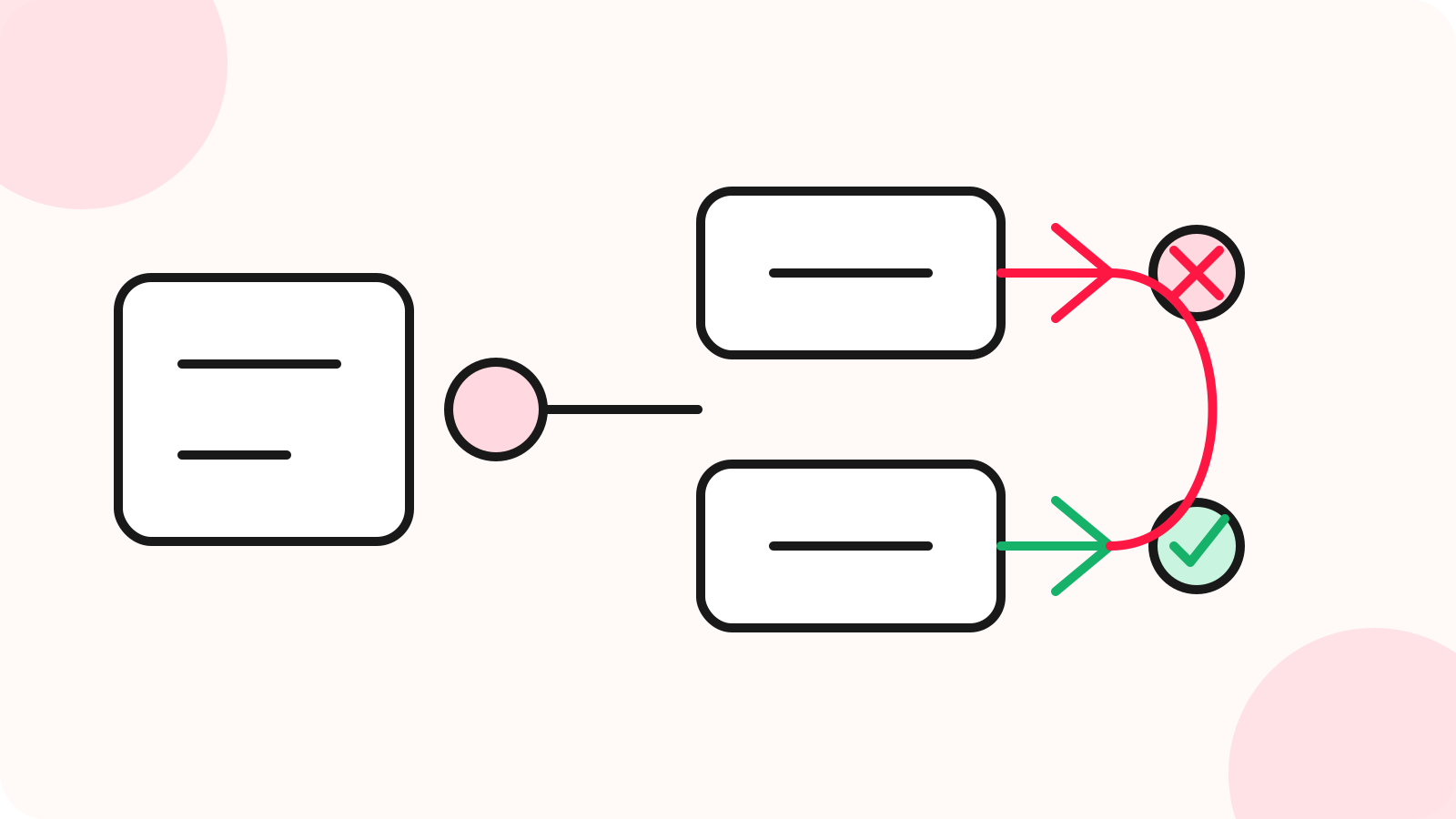
Learn how to design payment failover, retries, and fallback with idempotency, state management, and protection against duplicate charges.
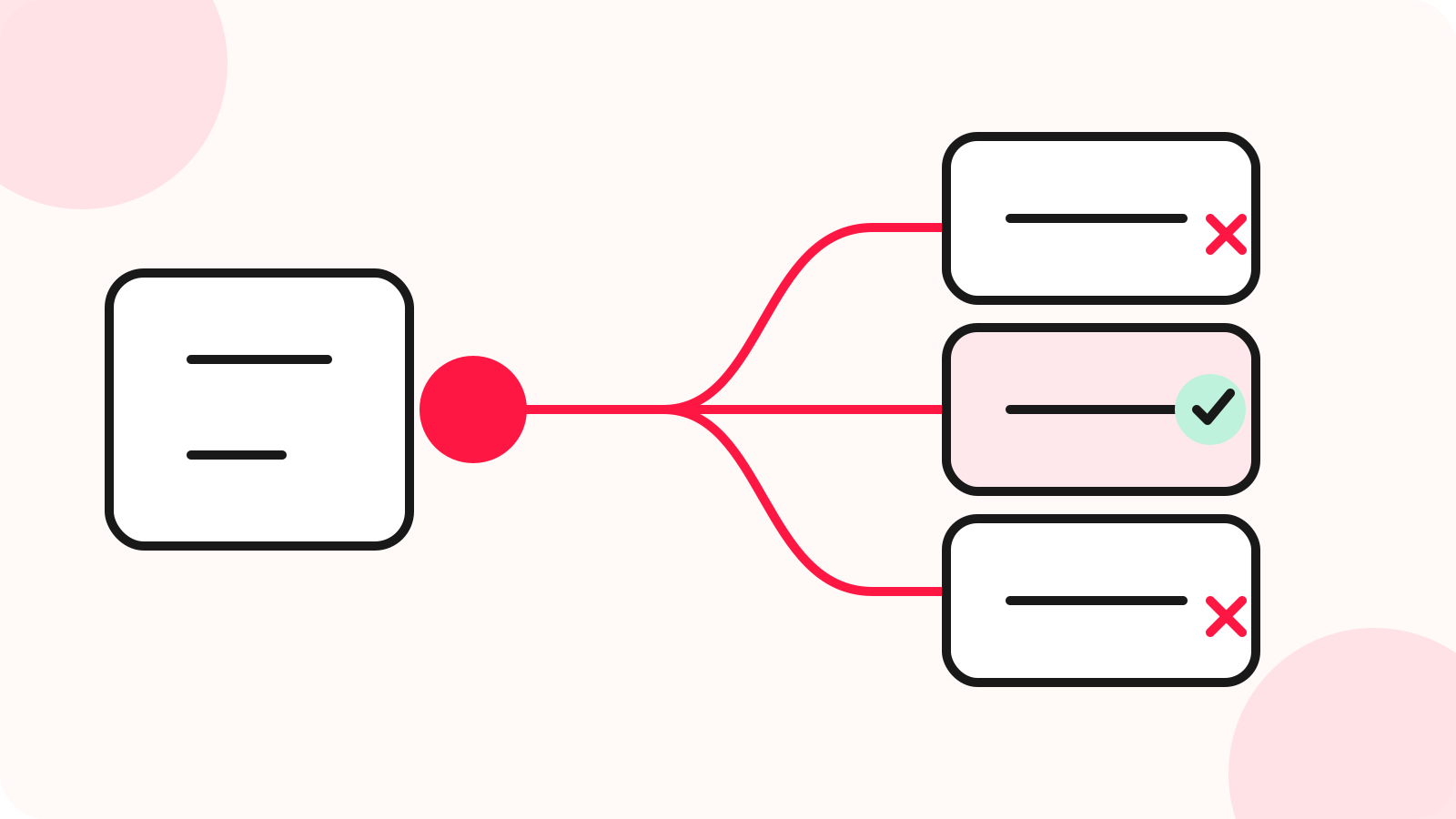
Understand smart routing, rules, signals, fallback, and metrics for choosing payment routes with control and explainability.
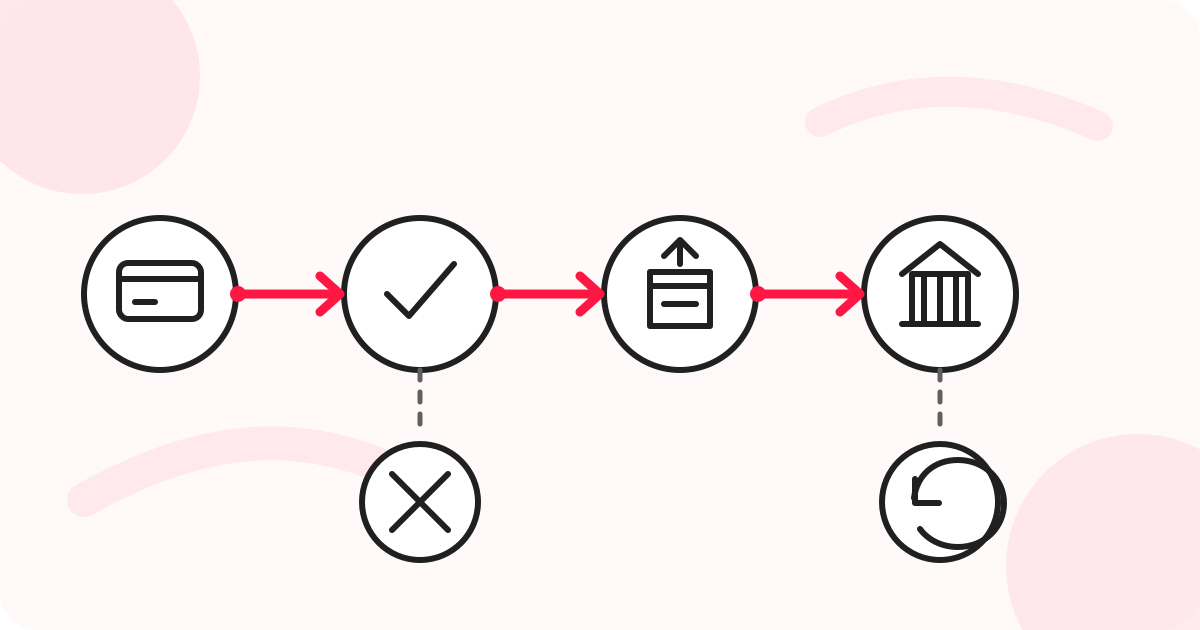
Understand a payment transaction’s lifecycle, the differences between authorization, capture, cancellation, and refunds, and why intermediate states matter.
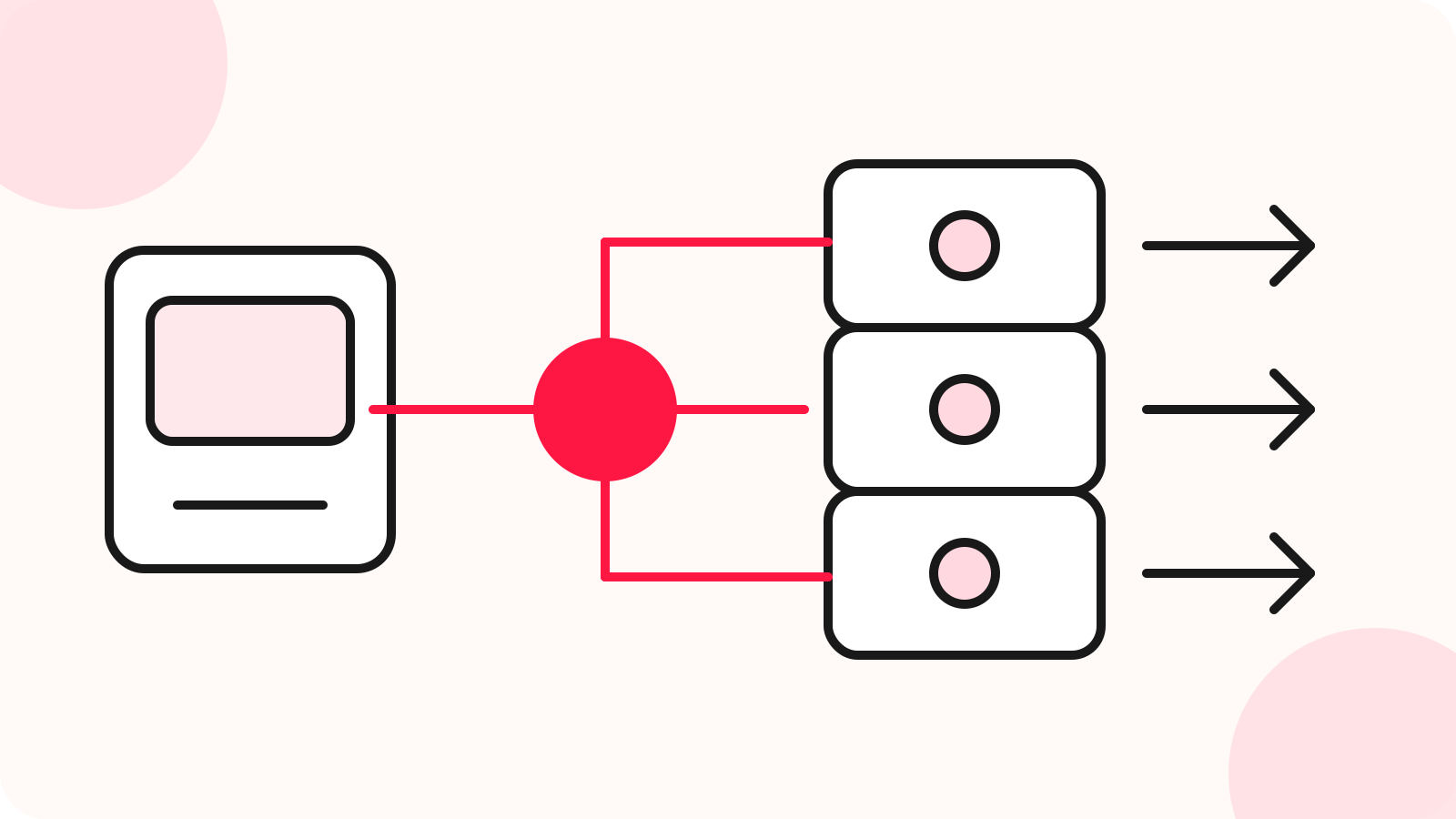
Understand payment orchestration, multiple PSPs, smart routing, failover, and the foundations of a resilient architecture.
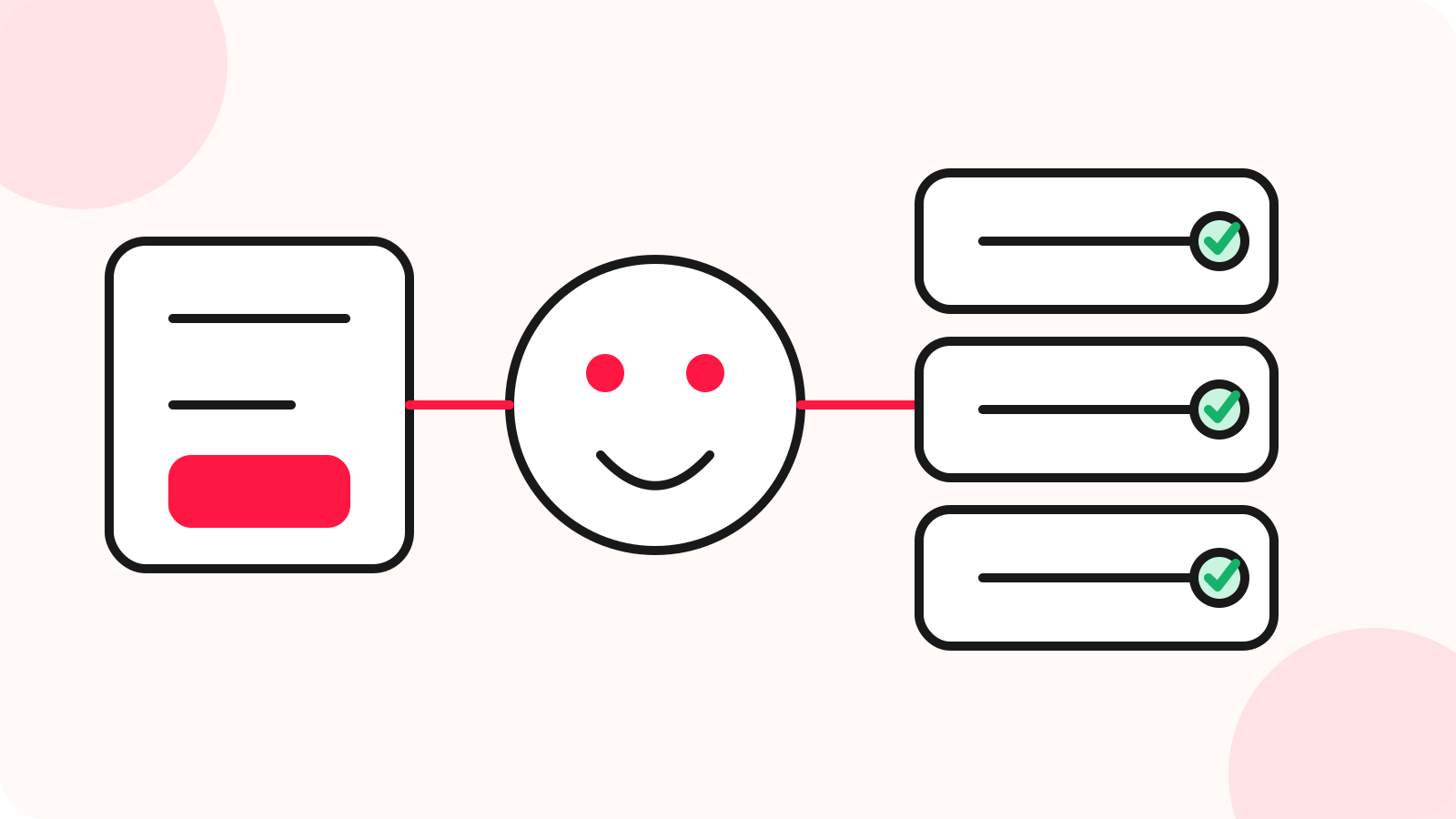
Understand how agentic commerce connects agents, checkout, authorization, tokenization, payments, and operations without replacing the merchant’s infrastructure.
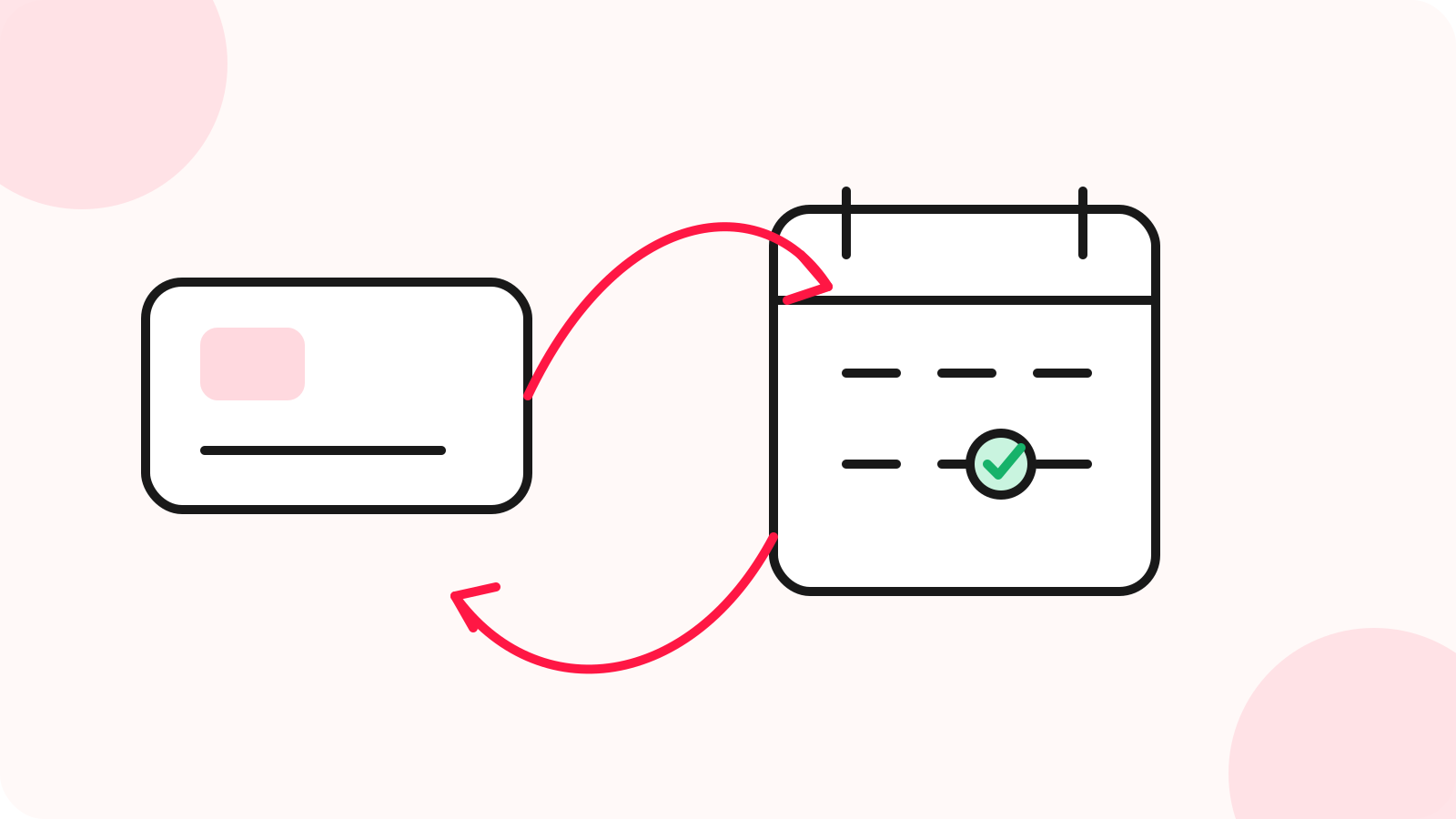
Understand subscriptions, tokenization, card-on-file, retries, dunning, and the states needed for reliable recurring payments.
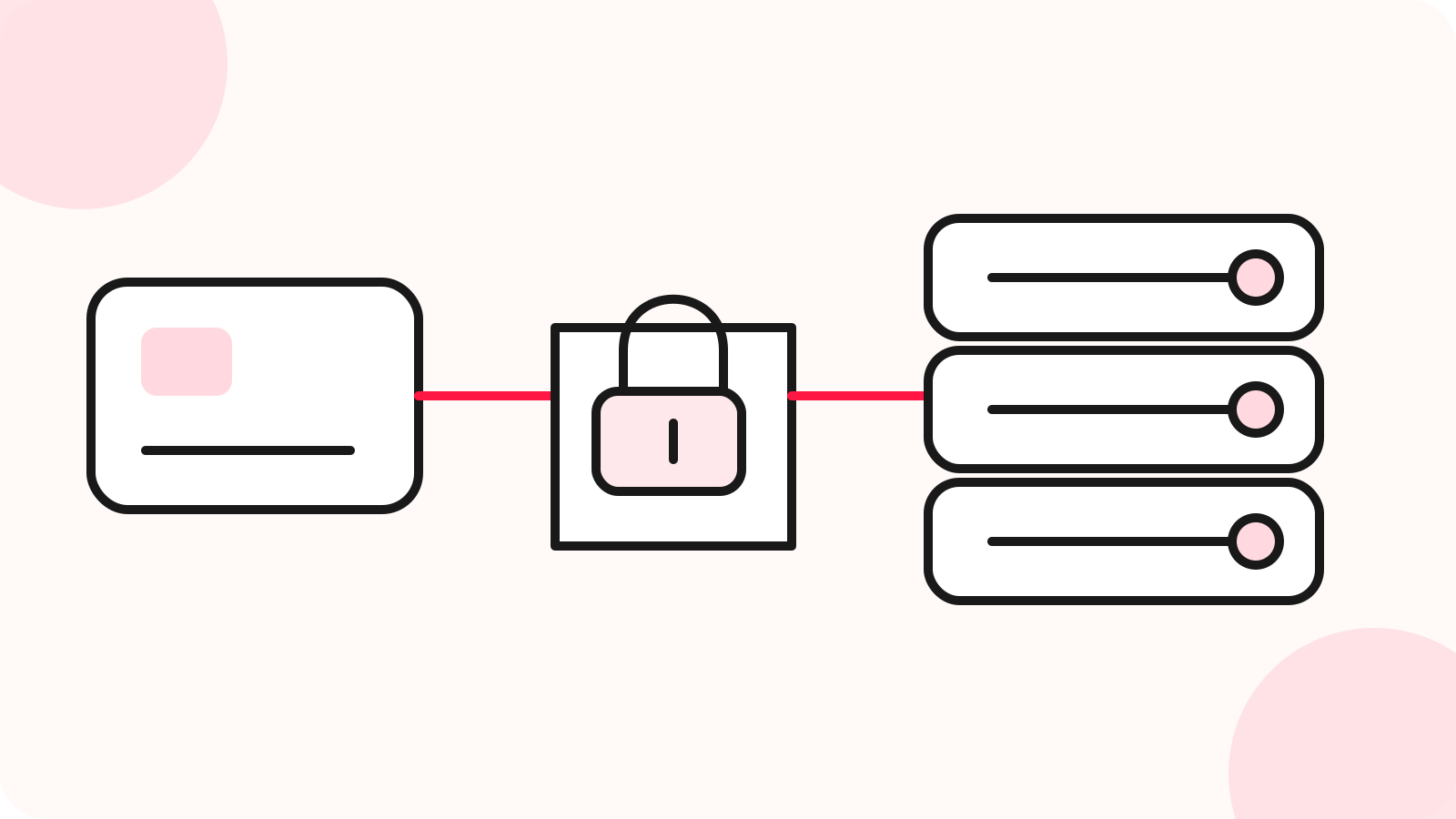
Understand card tokenization, vaults, card-on-file, network tokens, portability, and the impact of credentials on a multi-PSP architecture.
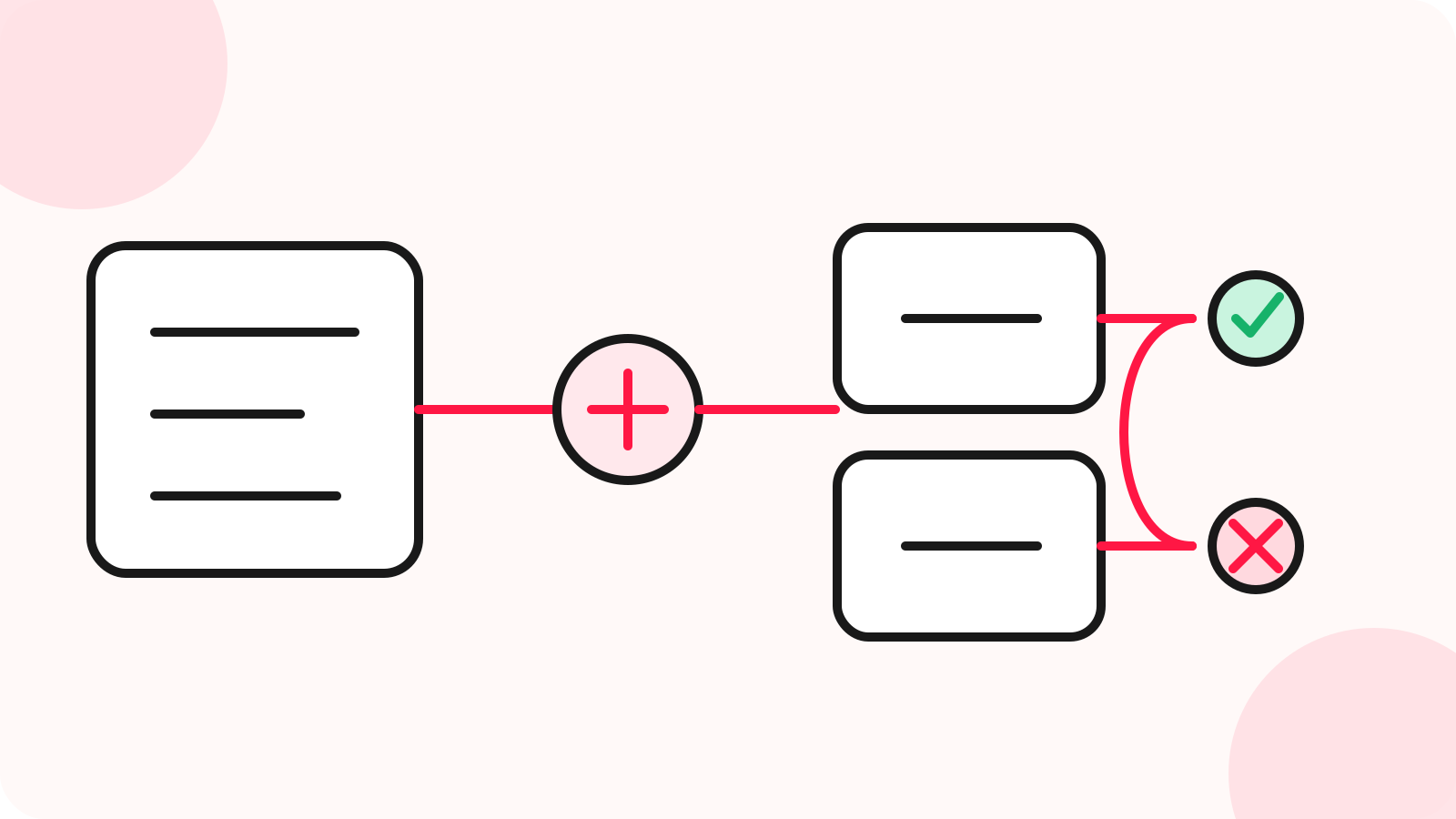
Learn to authenticate, deduplicate, and process payment webhooks with idempotency, retries, ordering, and observability.
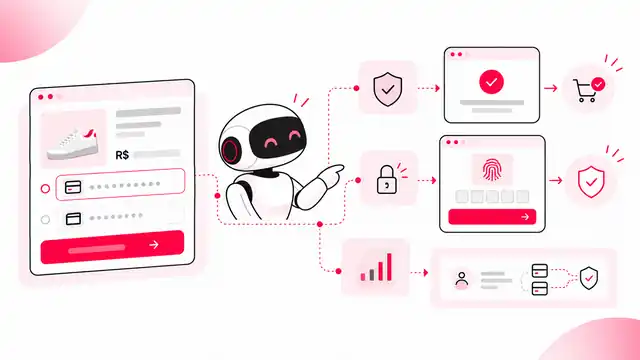
Understand 3DS, frictionless and challenge flows, Data-Only, fraud prevention, and how authentication influences conversion and approval.